
Body & movement · Turin · 6 min read
nurturing the movement
What if we stopped asking how little we could eat, and started asking what our bodies actually need in order to move?
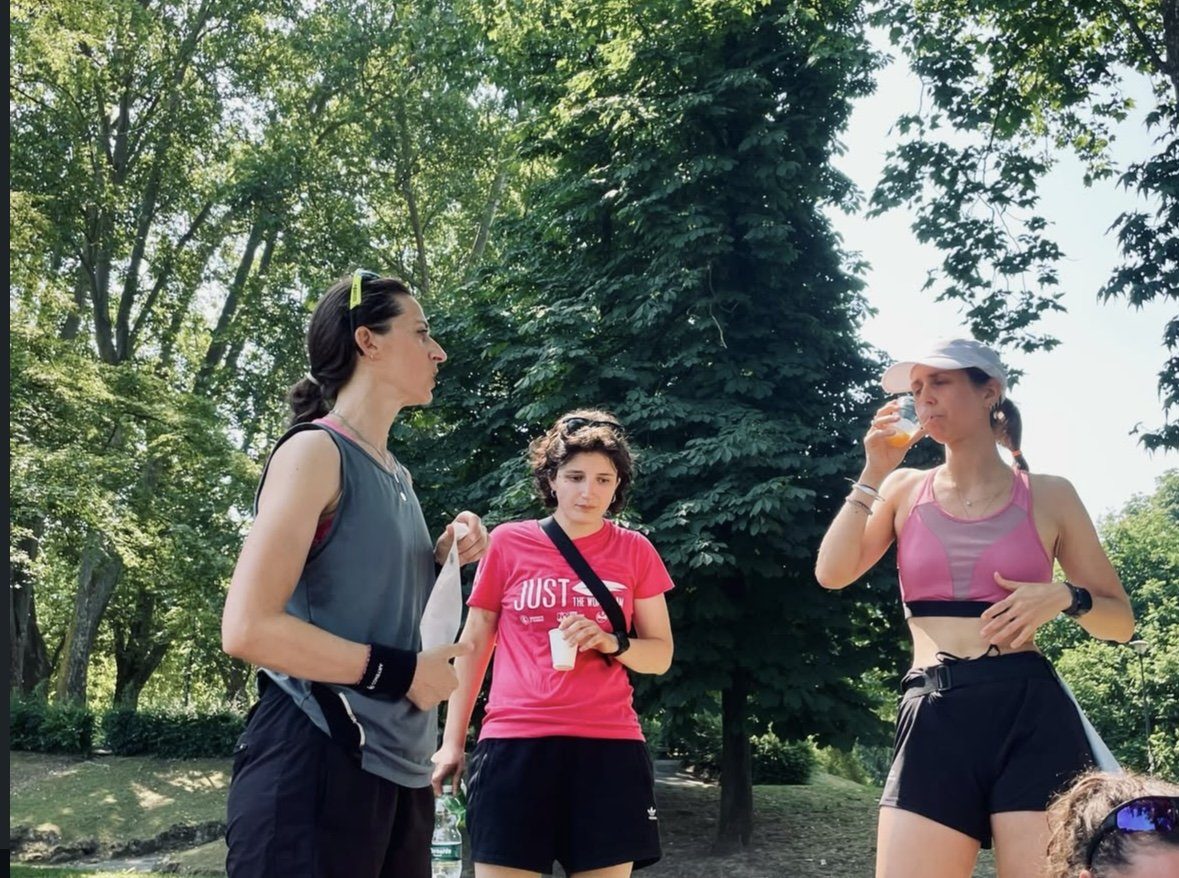
The run was the easy part. Eight kilometres through the park on a warm Saturday morning, at a pace slow enough that nobody dropped off the back and everybody could still talk. That was deliberate. The run was never really the point.
The point was the picnic afterwards — and the conversation one woman in our community had been wanting to start for a long time.
the question nobody had asked out loud
She’s a nutrition expert. She’d noticed something in the way women around her talked about food and exercise, and she wanted to put it in front of a group rather than keep noticing it alone.
Almost every conversation about women, food and sport, she pointed out, is organised around subtraction. How many calories burned. How much to cut. What to avoid, what to feel guilty about, what to earn back. Even in spaces that call themselves body-positive, the underlying arithmetic often stays the same.
So she asked the group a different question over the food: what would change if we thought about eating as fuelling the movement rather than paying for it?
what came out of it
What followed wasn’t a lecture. It was closer to a dozen women realising, out loud and more or less at once, how much of their relationship with food had been shaped by an equation nobody had ever asked them to agree to.
Some had stopped eating before training because it felt virtuous. Some had learned to treat hunger after exercise as a failure of willpower rather than information. Several said they had never once considered that under-eating might be the reason a run felt terrible.
Nobody was told what to do. That’s not how these conversations work here — we’re explicit that we don’t have the answers, and this one was no exception. What the group got instead was a frame that made the old one visible.
why this is a sports event
It would be reasonable to ask what any of this has to do with running.
Our answer is that the two were never separate. The reasons women don’t run, or don’t climb, or quietly stop going, are rarely to do with fitness. They’re to do with what it means to have a body in public, what you’ve been taught it’s for, and whether moving it feels like something you’re allowed to enjoy rather than something you owe.
An event that only ran eight kilometres would have been a nice morning. An event that ran eight kilometres and then made room for that question is the reason several of the women there are still running now.
the pattern, again
This is how most Asterisco* events come about. Someone in the community already knows something worth sharing. She wants to share it. We find the park, sort the picnic, get the word out — and then step back while she leads it.
She had never organised an event before. She has now organised several.
If you’re reading this and there’s a question you’ve been wanting to put in front of a room of women — with or without a run attached — that’s all it takes to start.
Written by the Asterisco* community
This is a draft example post. Replace it with the write-up from the woman who led the event, in her own words.
Keep reading
more stories
First times · Porto
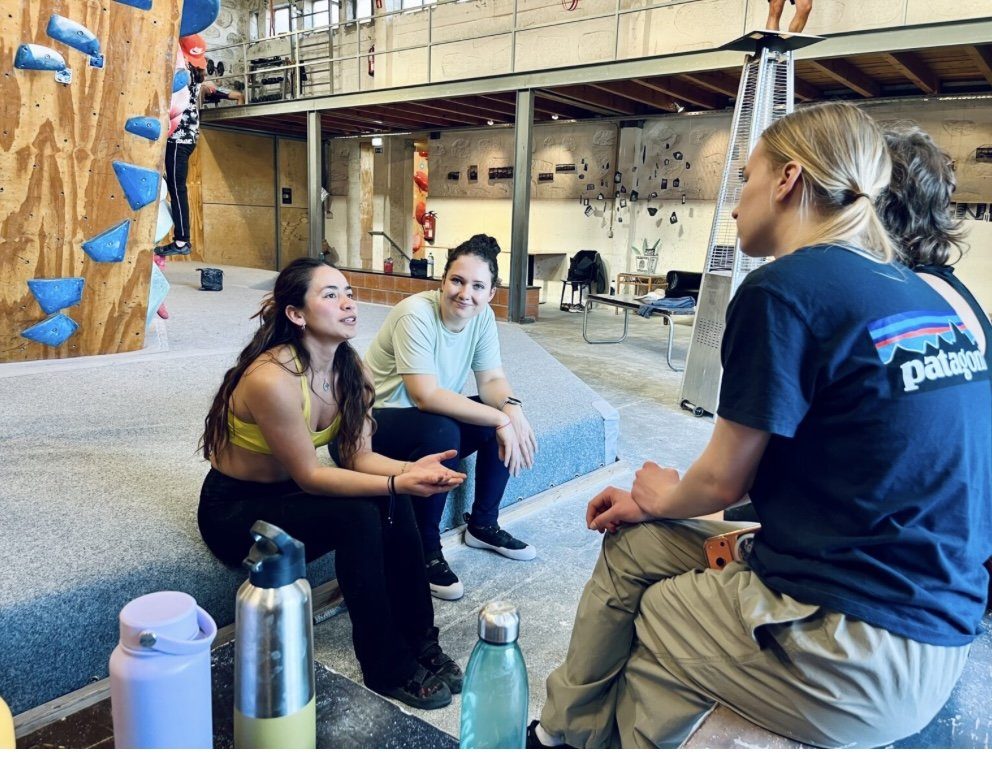
the first time is the hardest part
Twenty women, one bouldering wall, and a barrier that turned out to be much smaller than anyone expected.
Coming soon
Leadership · Norway
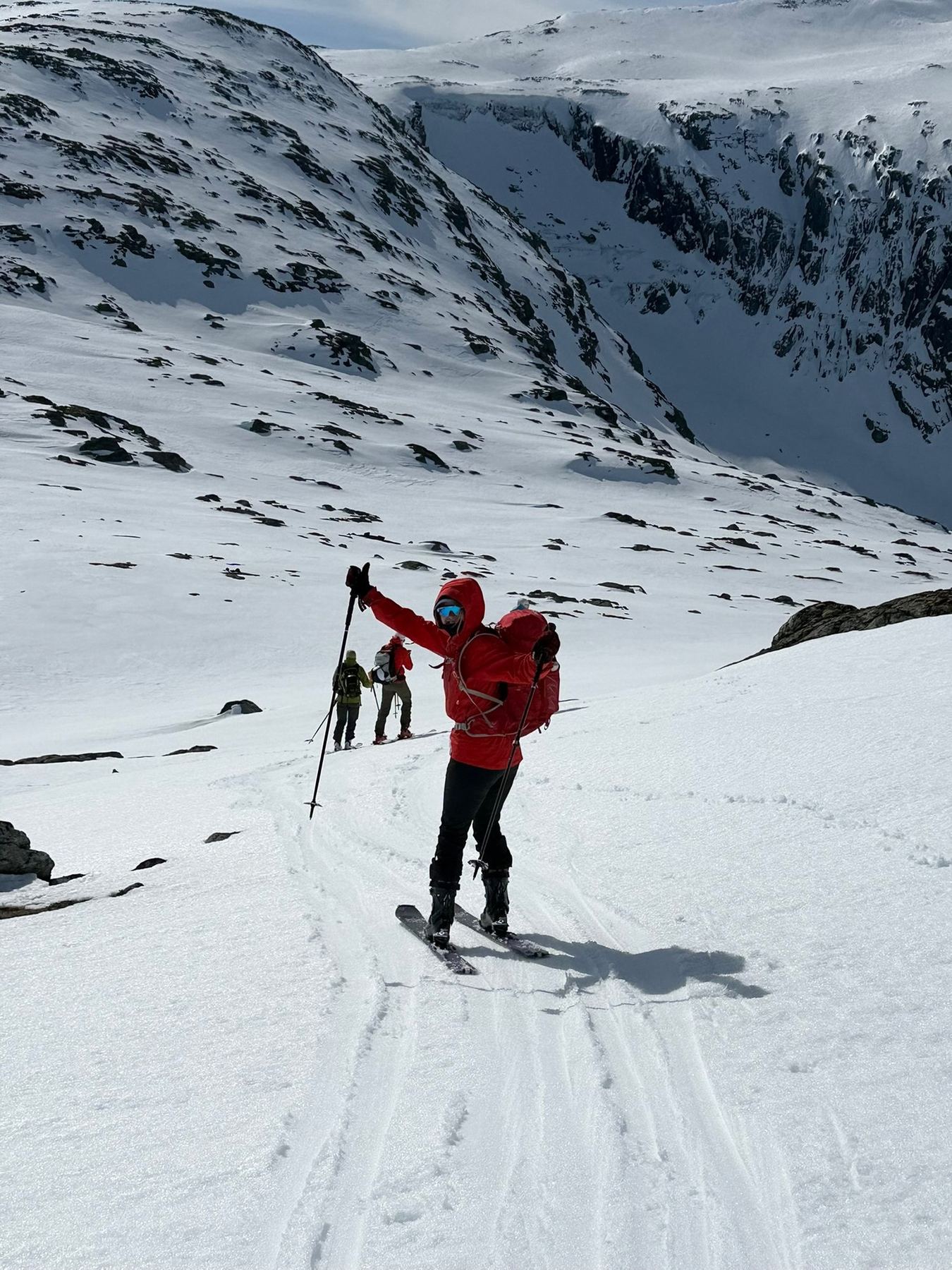
who gets to lead?
The gender gap in outdoor leadership, and what it takes to move from taking part to being in charge.
Coming soon